

Your roof is one of the most important parts of your home. It protects everything inside from rain, snow, wind, and harsh sunlight. When roof shingles start to curl or crack, it’s a sign that something needs attention. Understanding what causes these problems can help you prevent expensive repairs down the road.
Curling and cracking shingles are common issues homeowners face, but they don’t just happen overnight. These problems develop over time due to various factors. In this guide, we’ll explore the main causes of roof shingle damage and what you can do about it.
Understanding Roof Shingle Problems
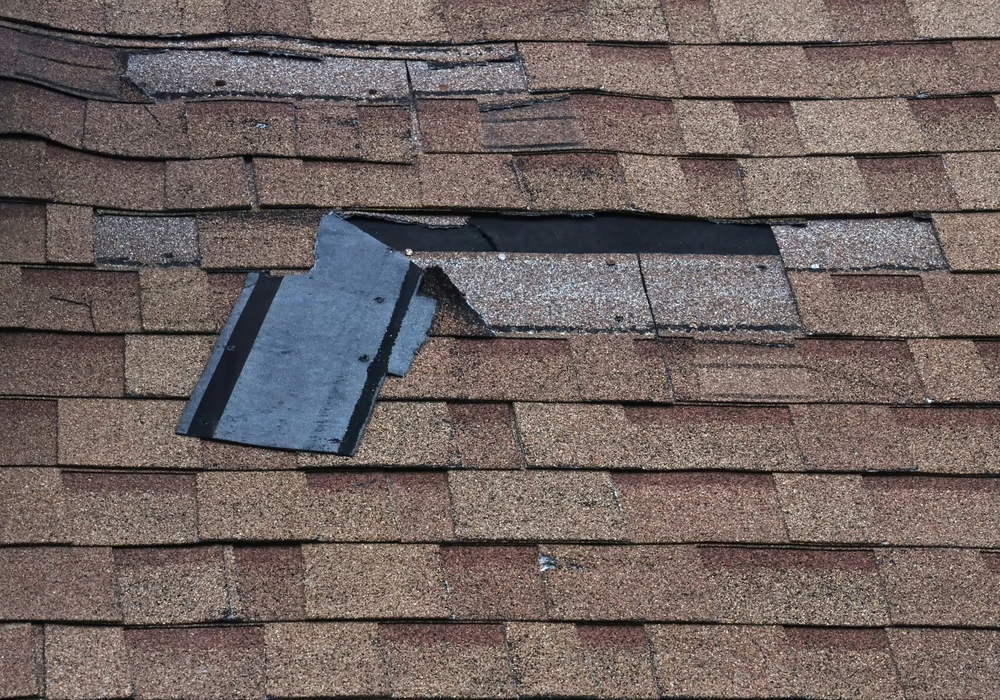
Curling happens when the edges or corners of shingles turn upward or downward, changing their original flat shape. Cracking occurs when the shingle material splits or breaks apart, sometimes creating small cracks or larger fissures. If you’ve noticed these early signs of wear, reaching out for roof repair in Broken Arrow, OK, can help stop small shingle problems from turning into major leaks.
Both issues reduce your roof’s effectiveness at protecting your home. When shingles curl, water can get underneath them more easily. When they crack, water gets through to the layers below. Either way, you risk leaks that can damage your attic, insulation, and ceilings.
Main Causes of Roof Shingle Damage
Understanding the primary causes of shingle problems helps you identify what might be happening to your roof:
- Age and weathering breaking down roofing materials
- Excessive heat and UV ray exposure
- Poor attic ventilation and insulation
- Moisture and humidity issues
- Installation errors and improper nailing
- Extreme weather conditions
- Low-quality roofing materials
- Biological growth like moss and algae
- Damaged or deteriorated flashing
- Debris buildup on the roof
Age and Weathering
One of the most straightforward reasons for roof shingle curling and cracking is simply age. Most asphalt shingles last between 15 and 25 years. As shingles age, the materials in them break down naturally. The asphalt loses flexibility, and the fiberglass or felt base becomes more brittle. When homeowners schedule roof repair in Bartlesville, OK, age-related shingle curling and cracking is often one of the first issues contractors identify during inspection.
Signs Your Roof is Getting Old
Watch for these indicators that aging might be affecting your roof:
- Shingles that are more than 20 years old
- Visible granule loss showing bare spots
- Widespread curling along shingle edges
- Multiple cracked shingles across the roof
- Shingles that feel brittle or hard to the touch
- Shedding granules in gutters and downspouts
- Fading or discoloration across large sections
As shingles age, they experience constant exposure to the elements. Sunlight, rain, wind, and temperature changes all take their toll. The protective granules on the surface gradually wear away. Without these granules, the shingles are more vulnerable to further deterioration. Eventually, curling and cracking become inevitable signs that it’s time for a new roof.
If your roof is over 20 years old and showing signs of damage, aging is likely the primary cause. Replacing the roof may be your best option.
Excessive Heat and Sun Exposure
Heat and sunlight are among the most damaging environmental factors for roof shingles. In areas with intense sun or high temperatures, shingles deteriorate faster than in cooler climates.
UV rays break down the asphalt binder that holds shingles together. This process is called photodegradation. When the binder weakens, the shingle becomes more rigid and less flexible. The material begins to curl at the edges as it tries to adapt to temperature changes. Over time, this curling can lead to cracking.
How Heat Damages Your Roof
Heat affects shingles in several important ways:
- UV rays break down asphalt binders and protective coatings
- High temperatures cause shingles to expand excessively
- Rapid temperature fluctuations stress the shingle material
- Granule coating deteriorates faster in hot climates
- Dark-colored shingles absorb more heat than light colors
- Reflected heat from nearby surfaces intensifies damage
Roofs with southern or western exposure get the most intense sunlight and suffer the most from sun damage. If your house sits in a location with strong afternoon sun and high temperatures, your shingles will likely experience curling and cracking sooner than roofs in shadier locations.
Poor Ventilation in the Attic
Proper attic ventilation is important for roof health, yet many homes don’t have it. When your attic lacks sufficient ventilation, heat builds up inside. This excessive heat can damage shingles from underneath.
With inadequate ventilation, warm air gets trapped under the roof. This causes the shingles to heat up excessively, especially on hot days. The constant heating and cooling cycle puts stress on the materials. Shingles become more prone to curling as they expand and contract repeatedly.
Poor ventilation also traps moisture in the attic. This moisture can damage the wood decking under your shingles and cause the shingles themselves to warp and crack.
Ventilation Components Your Roof Needs
A properly ventilated roof includes:
- Soffit vents along the eaves for intake
- Ridge vents at the peak for exhaust
- Proper spacing for continuous air flow
- Gable vents for additional circulation if needed
- Clear pathways without insulation blocking vents
- Balanced intake and exhaust ventilation
To check your attic ventilation, look for soffit vents along the eaves and ridge vents at the top of your roof. You should feel air movement when you go into your attic. If the attic feels hot and stuffy, ventilation problems may be contributing to your shingle damage.
Moisture and Humidity Issues
Moisture is another major culprit behind curling and cracking shingles. When shingles absorb moisture, they can swell and warp. Once the moisture dries out, they may crack or curl permanently.
Moisture gets into shingles in several ways. Condensation can form in the attic when warm, moist air meets cold surfaces. Leaks from improper flashing or damaged areas allow water to seep under shingles. Standing water on the roof or water trapped under shingles causes swelling.
Common Sources of Moisture Damage
Moisture reaches your shingles from multiple sources:
- Condensation forming in poorly ventilated attics
- Leaking flashing around vents and chimneys
- Damaged or deteriorated caulk seals
- Ice dams forcing water backward under shingles
- Poor gutter drainage and water pooling
- Rain penetrating through existing cracks
- Plumbing or HVAC leaks in the attic
- Exterior moisture being driven into roof structure
In humid climates or areas with frequent rain, moisture problems are more common. If your attic lacks proper ventilation, moisture has nowhere to go. It gets trapped and damages both the shingles and the roof structure underneath.
Keeping your attic dry through proper ventilation and addressing any leaks quickly can prevent moisture-related damage.
Installation Issues
Sometimes curling and cracking are caused by how the shingles were installed in the first place. Improper installation can lead to problems that appear years later. If you have concerns about the health of your roof, a roofing contractor in Glenpool, OK, from MRC OK can complete a full inspection and highlight everything from cosmetic wear to major structural problems.
Common Installation Mistakes
These errors during installation create long-term problems:
- Nails placed in wrong locations causing stress points
- Too many nails used per shingle (over-nailing)
- Too few nails or nails not driven far enough (under-nailing)
- Nails driven too deeply through the shingle
- Nails missing the designated fastening area
- Shingles installed in extremely hot weather
- Poor spacing between shingles
- Improper starter course installation
- Shingles installed at incorrect angles or alignment
- Ventilation blocked during installation process
Extreme Weather Conditions
Severe weather events can accelerate shingle damage or cause it directly. High winds, hail, heavy snow, and ice all stress roof shingles.
Types of Weather Damage
Different weather conditions damage shingles in specific ways:
- High winds lift and flex shingles excessively
- Hail creates dents, holes, and immediate cracks
- Heavy snow adds weight and creates pressure points
- Ice dams trap water and force it under shingles
- Freeze-thaw cycles create and expand cracks
- Sleet impacts cause similar damage to hail
- Debris from storms gets lodged under shingles
- Lightning can cause burning or melting of roofing materials
- Rain-driven by wind penetrates shingle seals
- Extreme temperature swings stress materials
Wind can lift shingles, exposing the underneath side to the elements and weakening the seal. Continuous wind exposure causes shingles to curl more easily. Hail directly damages shingles by creating cracks and holes.
In cold climates, freeze-thaw cycles damage shingles. Water gets into small cracks and pores. When it freezes, it expands and creates larger cracks. This process repeats throughout the winter, progressively damaging shingles.
Heavy snow and ice create weight and pressure on the roof. Additionally, ice dams can form, trapping water and forcing it under the shingles.
After severe weather, it’s a good idea to inspect your roof for damage. Catching problems early prevents them from getting worse. Many homeowners seeking roof repair in Coweta, OK, do so after noticing early signs of wear like loose shingles, granule loss, or small leaks developing after storms.
Low-Quality Shingles
The quality of your roofing material matters significantly. Low-quality shingles are more susceptible to curling and cracking.
Comparing Shingle Quality Levels
Different shingle grades offer varying levels of performance:
- Architectural shingles: Superior durability and appearance
- Premium shingles: Highest quality with extended warranties
- Standard shingles: Mid-range quality and cost
- Budget shingles: Lowest cost but poor longevity
- Designer shingles: High-end options with custom features
- Impact-resistant shingles: Enhanced durability for storm areas
Improper Attic Insulation
Insulation problems in your attic can contribute to roof damage. If insulation is installed incorrectly, it can block ventilation or trap heat and moisture.
Insulation Problems to Watch For
These insulation issues damage roofing materials:
- Insulation blocking soffit vents
- Inadequate insulation allowing heat transfer
- Insulation compressed or improperly compressed
- Missing insulation in certain attic areas
- Loose insulation interfering with air flow
- Old insulation that has settled unevenly
- Insulation touching roof sheathing directly
- No air gap between insulation and roof decking
Some homeowners accidentally cover soffit vents with insulation. This prevents air from flowing through the attic as intended. Heat and moisture build up, damaging shingles from below.
Inadequate insulation allows warm air from your home to reach the roof. This warmth can melt snow unevenly, leading to ice dams and water damage. Proper insulation keeps warm air inside your home, preventing these issues.
Make sure your insulation doesn’t block any ventilation openings. The space between your insulation and the roof should stay clear to allow air to circulate.
Biological Growth and Debris Buildup
Moss, algae, and lichen can grow on roof shingles, especially in damp, shaded areas. These organisms hold moisture against the shingle surface. The constant moisture causes the shingle to swell and eventually curl or crack.
Debris like leaves, branches, and dirt can accumulate on your roof. This material traps moisture and prevents proper drainage. Over time, the trapped moisture damages shingles.
Common Roofing Debris
Watch for accumulation of:
- Fallen leaves and pine needles
- Tree branches and twigs
- Dirt and sediment buildup
- Granules from deteriorating shingles
- Bird nests and animal droppings
- Moss and algae fragments
- Standing water and moisture pools
Keeping your roof clean and dealing with biological growth as soon as possible can prevent damage. Regular maintenance is especially important in humid areas or locations surrounded by trees.
Metal Flashings and Sealing Issues
Metal flashings around chimneys, vents, and skylights can contribute to shingle problems if not properly installed or maintained. Poor sealing allows water to seep under nearby shingles. The moisture causes those shingles to warp, curl, and crack.
Flashing Problem Areas
These locations are most vulnerable to flashing failures:
- Around chimney bases where water collects
- Plumbing and roof penetration vents
- Skylights and their surrounding edges
- Valleys where two roof planes meet
- Wall-to-roof intersections
- Exhaust vents from furnaces and dryers
- Improperly sealed boot flashing on vents
- Corroded or rusted metal flashings
Deteriorated caulk around flashings lets water underneath. Rusty or damaged flashings can’t shed water properly. Flashing that wasn’t installed correctly creates gaps where water gets in.
Regular inspection of flashings and recaulking when necessary prevents water damage to surrounding shingles.
What You Should Do
If you notice curling or cracking shingles, don’t ignore the problem. Small issues become big problems if left unattended.
Action Steps for Shingle Damage
Follow these steps when you notice roof problems:
- Schedule a professional roof inspection immediately
- Document the damage with photos from ground level
- Get multiple repair or replacement quotes
- Address attic ventilation issues first
- Fix any obvious water leaks or flashing problems
- Replace individual damaged shingles if appropriate
- Plan for full roof replacement if damage is extensive
- Improve attic insulation if needed
- Clean debris and biological growth from the roof
- Set up a maintenance schedule for ongoing care
A qualified roofer from MRC OK can spot problems you might miss and determine the best solution for your situation.
Prevention Measures
Take these steps to reduce future damage:
- Have your roof professionally inspected annually
- Clean gutters and downspouts twice yearly
- Remove leaves and debris from the roof
- Trim tree branches hanging over the roof
- Check attic ventilation and insulation regularly
- Monitor for signs of leaks inside your home
- Address small problems before they worsen
- Maintain proper attic temperature and humidity
- Keep flashing sealed with quality caulk
- Document your roof’s age and maintenance history
Conclusion
Curling and cracking shingles result from a combination of factors, including age, heat, poor ventilation, moisture, installation issues, severe weather, and material quality. Understanding these causes helps you take preventive steps to protect your roof.
Regular maintenance, proper ventilation, and prompt repairs address problems before they become expensive. If you’re unsure about your roof’s condition, hire a professional to inspect it. Investing in roof care now can add years to your roof’s life and protect your home from costly water damage.
Your roof works hard every day to protect your home. By understanding what causes damage and taking appropriate action, you can keep your roof in good condition for years to come. Ready to protect your home long-term? Contact Martin Roofing & Construction OK today for a reliable inspection and expert guidance.