
One of the most important parts of your house is your roof. It protects you from the sun, wind, rain, and snow. Water can enter your home and cause major damage when your roof begins to fail. The good news is that if you know what to look for, you can identify issues early. A roof rarely fails all at once. Long before a serious leak or structural problem develops, it often presents noticeable warning signs.
Ignoring small issues like loose shingles, small leaks, or damaged flashing can cause them to gradually get worse. A seemingly straightforward fix might turn into expensive interior damage, the spread of mold, or even structural issues with your attic and ceilings. Because early symptoms are not always visible from the ground, homeowners often overlook them.
By keeping an eye out for these indicators, you can take action sooner, prolong the life of your roof, and prevent unforeseen repair costs from upsetting your house and finances. We’ll go over ten warning signs that your roof requires expert assistance in this article. You can avoid more serious harm to your house and save money by identifying these issues early.
Why Roof Maintenance Matters
Many homeowners do not inspect their roofs until a problem emerges. It’s a mistake. When a roof goes without maintenance, it can quickly deteriorate and require costly repairs or replacement. Quick fixes and routine inspections can extend the life of your roof by several years.
The average lifespan of a roof is 15 to 25 years. But poor upkeep can shorten this. Sun damage, weather, and everyday wear all have an impact. Fortunately, the majority of roof issues begin gradually. If you find them early, they can be quickly addressed by a professional. If you are unsure about your roof’s condition or think it may be nearing the end of its lifespan, our roofing services in Cleveland, OK, and the surrounding areas can assess any damage and recommend the right next steps before minor issues turn into major expenses.
Warning Sign 1: Curling or Cupping Shingles
Shingles that curl or cup are among the first indicators of roof problems. These shingles appear to be bending in the middle or rising at the edges. This happens when moisture gets beneath shingles or when shingles age.
Your property cannot be adequately protected by curling shingles. Water can get into your attic through beneath them. Call a roofer if you notice this. Only a few shingles or portions of your roof might need to be replaced.
Use binoculars to look at your roof from the ground or securely mount a ladder to check for this. Look for shingles that do not lie flat. Shingles should lie straight and smooth.
Warning Sign 2: Missing or Broken Shingles
Your roof deck is exposed to the outdoors when shingles are missing. This is a significant issue that requires immediate response. Strong winds, storms, or aging and cracking can cause shingles to fall off.
The timber beneath becomes damp when shingles lift off. Rot, mold, and structural damage originate from this. It is beneficial to quickly replace even one missing shingle. Check your roof after storms. Look at the ground around your house for shingle pieces. This means shingles are breaking apart and need to be replaced soon.
Warning Sign 3: Grit or Granules in Your Gutters
Granules are small stones that coat roof shingles. The shingles are shielded from sunlight by these grains. Granules eventually wash away and gather in your gutters.
Your shingles are deteriorating quickly if there is a lot of grit in your gutters, especially grit that resembles sand. This indicates that your roof could quickly fail due to wear and tear. There are few particles in the gutters of young roofs. Older roofs lose a lot.
A couple of times a year, inspect your gutters. Have your roof inspected if you notice a mound of dark granules. The lifespan of your roof can be determined by an expert from Martin Roofing & Construction OK.
Warning Sign 4: Daylight Coming Through Your Attic
On a sunny day, go into your attic and look up. You have a hole or gap if you can see light coming through the roof. This is a serious issue.
Light allows air to pass through. Water can pass through if air can. When it rains, even little openings will allow water to enter. Rot, mold, and insulation damage come from this.
This is one of the most serious signs. Don’t put off hiring a roofer. It is possible to fix holes, but the longer you wait, the more damage happens beneath.
Warning Sign 5: Sagging Roof Deck
A roof that is sagging points towards major structural issues. Take a walk around your home and check the roof’s outline. It should be straight. If you notice waves or dips, your roof deck might be disintegrating.
A sagging roof is usually a sign that water has been getting in over time, causing the wood underneath to rot and weaken. This is more than just a cosmetic problem. It is a serious safety concern. A weakened roof can struggle to support the added weight of heavy rain or snow and may eventually fail if the issue is not addressed.
If your roof is sagging, a full roof replacement is often the best solution. While it is a major project, it is necessary to protect your home and everyone inside it. Delaying repairs can lead to even more extensive damage and higher costs.
Warning Sign 6: Algae, Moss, or Mold on Your Roof
Algae and moss are common causes of dark stains on roofs. These thrive in moist areas of the roof that receive little sunlight. They may appear unattractive, but they also pose serious issues.
Moss and algae hold water against your shingles. This keeps the shingles damp and speeds up decay. Moss can also get under shingles and lift them up. This lets water get underneath.
If you see green or black stains on your roof, have a professional clean and treat the area. They can also check for damage underneath. Do not try to clean it yourself, as walking on a wet roof is dangerous.
Warning Sign 7: Damaged or Missing Flashing
The metal that fills in spaces around vents, chimneys, and roof-to-wall junctions is called flashing. Water can enter your house if flashing is bent, rusted, or falls free. As a trusted roofing company in Collinsville, OK, and beyond, we can quickly repair or replace damaged flashing, preventing hidden water damage and more expensive repairs inside your home.
Flashing is easy to miss because it is small. But it is very important. When flashing fails, water gets into attics and walls where you cannot see it. This causes rot, mold, and electrical problems.
During a house inspection, take a look at your flashing. Call a roofer if it appears crooked, rusted, or is pulling away from the roof. Flashing can typically be fixed quickly and affordably. It is expensive to repair the damage caused by poor flashing.
Warning Sign 8: Water Stains or Leaks in Your Attic or Ceiling
Water is getting in if you notice brown stains on your attic rafters or ceiling. This is a clear sign of a leak in a roof. Over time, even a minor leak can lead to major issues.
Check your attic following a heavy rain. Your roof is failing if the plywood or rafters appear moist or discolored. Don’t ignore this. The longer water damage is left, the worse it grows.
You might be able to see the source of the water. The source of the leak, which can be far from where the water appears, can be located by a specialist.
Warning Sign 9: Damaged Gutters and Downspouts
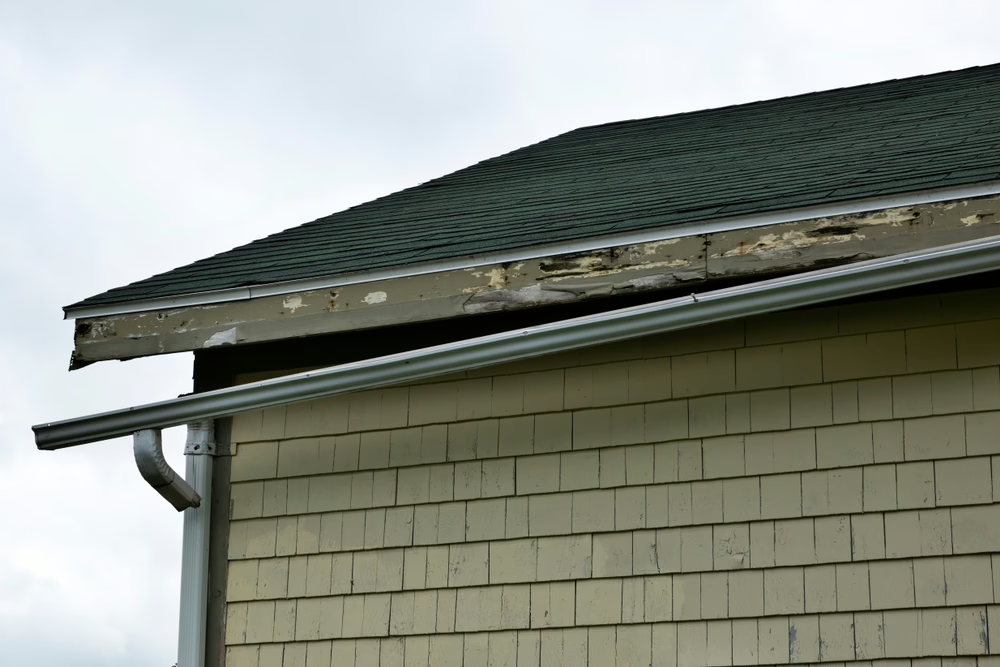
Water is kept out of your house from your gutters and downspouts. Water can rush up onto your roof if the gutters are bent, blocked, or extending away from your home. Water might flow back onto the roof and slip under the shingles if your gutters are not operating properly.
Over time, this trapped moisture leads to leaks and decay. Water can be moved away from your house by keeping your gutters clean and in good shape, and runoff should be directed at least five to six feet away from the foundation by downspouts.
Warning Sign 10: Your Roof is Old
The performance of your roof is significantly influenced by its age. It is wise to have a professional evaluate your roof once a year if it is older than 20 years, as most roofs are made to last between 15 and 25 years.
Materials deteriorate more rapidly as roofs get older. Shingles can grow brittle and lose their ability to protect your house even if there are no visible problems. A roofing expert can identify early wear indicators and assist you in making replacement plans before a failure results in expensive water damage.
A roofer can determine the age of your roof based on its materials and condition if you are unsure of its age. They might also be able to locate information by looking through the records of your house or previous permits.
How Often to Inspect Your Roof
If you don’t have the necessary training, don’t try to solve roof issues yourself. Working on roofs is risky, and even one slip can result in severe harm. Experts have the safety equipment, instruments, and expertise required to do repairs accurately and securely.
Regular inspections are just as important as knowing what to do when problems appear. Check your roof at least once a year. The best time to repair damage from winter weather is in the spring. You should inspect your roof following significant storms and monitor your attic for water stains, dark patches, or mold growth, all of which frequently point to a roof problem.
Roof Inspection and Action Checklist
- Schedule a professional roof inspection at least once a year
- Inspect your roof after major storms or severe weather
- Look for missing, cracked, or curling shingles
- Check gutters and downspouts for debris or signs of damage
- Watch for water stains, damp insulation, or mold in the attic
- Get written estimates before approving any repairs
- Seek a second opinion for major or expensive recommendations
- Avoid DIY roof repairs unless properly trained
You can prolong the life of your roof and shield your house from expensive damage by being proactive with inspections and taking action when issues emerge.
Roof Damage Prevention Tips
Keeping your roof in good shape takes effort, but it pays off. Here are some things you can do:
- Clean your gutters every spring and fall.
- Keep trees trimmed so branches do not hang over your roof.
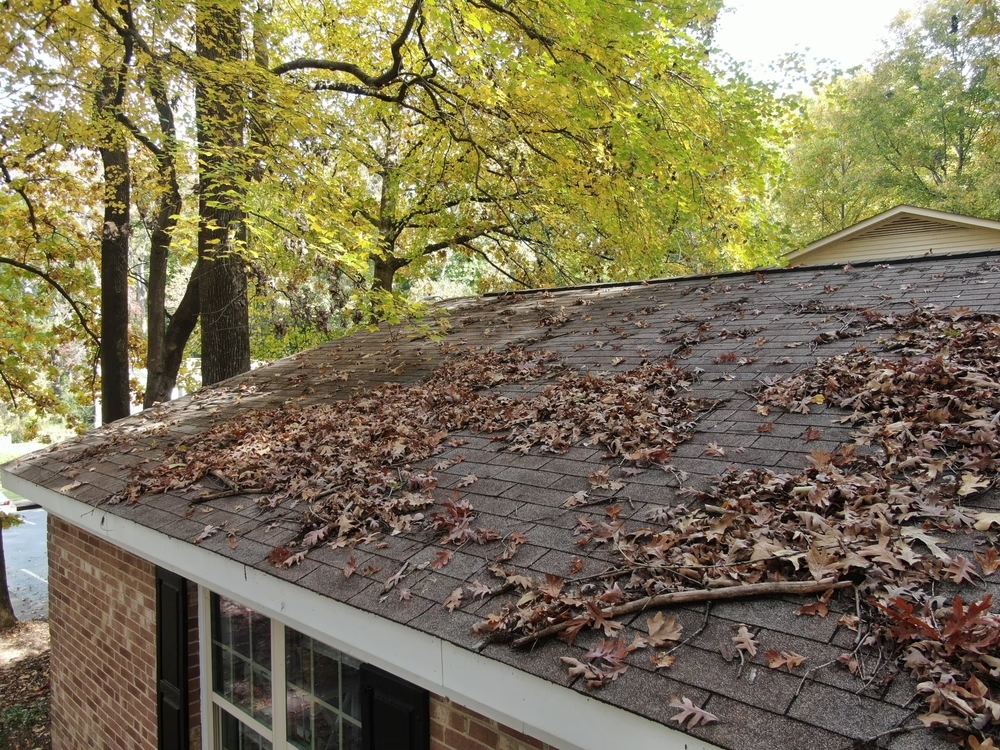
- Remove leaves and debris from your roof regularly.
- Keep your attic properly ventilated to prevent moisture buildup.
- Have a professional inspect your roof every year.
- Address small roof problems before they turn into larger issues.
- Keep records of all roof work, inspections, and repairs.
Finding a Good Roofer
Your roof is an investment in your home’s safety and value. By knowing these 10 warning signs, you can catch problems early. This saves you money and protects your home from serious damage. Check your roof regularly. Look for curling shingles, missing pieces, grit in gutters, and signs of water damage. If you spot anything wrong, call a professional right away.
If you notice warning signs of roof damage, stay calm but take action right away. Start by contacting Martin Roofing & Construction OK to schedule a professional inspection. An experienced roofer can identify the cause of the problem, explain your options, and provide a written estimate before any work begins. A little attention now can save you thousands of dollars in repairs later. Your home will be safer, and you will have peace of mind knowing your roof is in good shape.