
Most homeowners do not think about debris on their roof. It seems like a small problem. Leaves blow around all the time, right? What is the big deal if some land on your roof?
The truth is that debris on your roof is a serious hidden danger. Leaves, branches, and other organic matter trap moisture against your shingles. This moisture causes rot, mold, and structural damage. If you leave debris on your roof long enough, it can destroy the entire roof system.
In this guide, we will explain how debris damages your roof. You will learn why moisture is so destructive. You will find out how to protect your roof by keeping it clean. By the end, you will understand why roof debris is not something to ignore.
What Counts as Roof Debris
Roof debris includes anything that collects on your roof surface. This includes:
- Leaves from trees
- Branches and twigs
- Pine needles and cones
- Dirt and dust
- Moss and algae
- Seeds and plant matter
- Mulch or wood chips blown from yards
- Animal droppings
Some of this debris is obvious. A pile of leaves on your roof is hard to miss. But some debris is sneaky. Pine needles are thin and easy to ignore. Moss grows slowly and you might not notice it at first. Dust seems harmless but it holds moisture.
The worst debris is organic matter that breaks down. Leaves and branches rot over time. As they rot, they create a wet, spongy layer on your roof. This is where the real damage happens.
How Moisture Damages Your Roof
Water is the enemy of every roof. Your roof is designed to shed water. Rain falls, water runs off, and your roof stays dry. But when debris covers your roof, this does not happen.
Here is how the damage works:
- Debris traps rainwater on the roof, preventing proper runoff and keeping shingles wet longer
- Prolonged moisture causes shingles to deteriorate, damaging coatings, weakening layers, and leading to cracks and adhesive failure
- Water seeps beneath shingles, saturating the roof deck and causing wood rot that weakens the roof structure
- Damp conditions promote mold and mildew growth, which damage roofing materials and create unpleasant odors and indoor health concerns
The Problem with Leaves Specifically
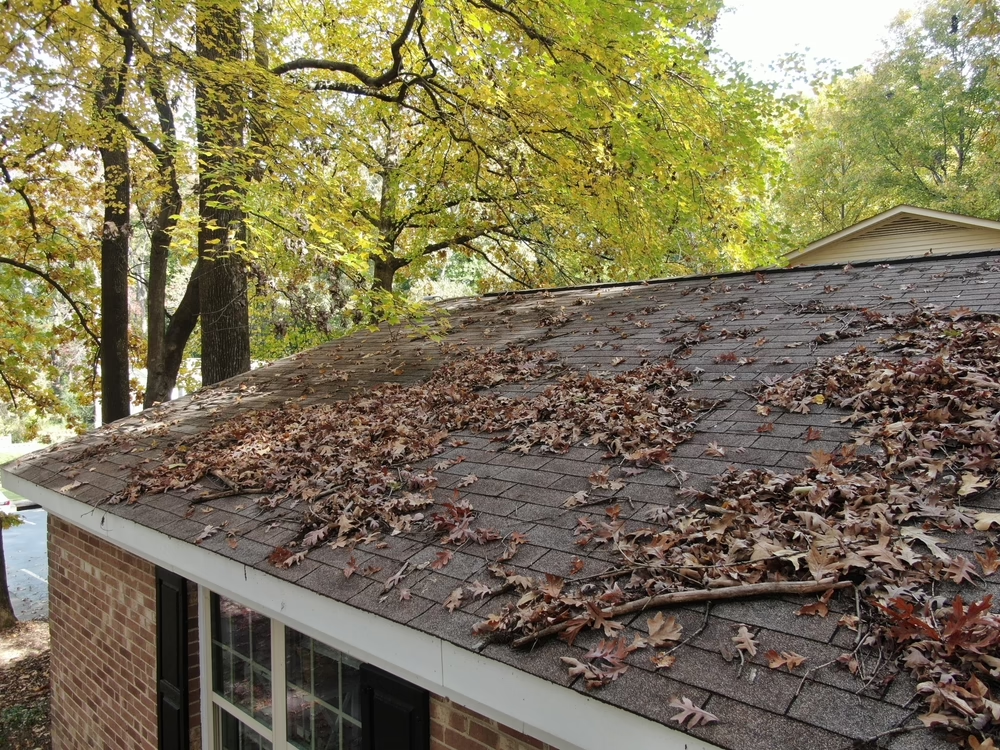
Leaves are the most common type of roof debris. They blow onto roofs constantly, especially in fall. Many homeowners think leaves will just blow away or dry out. This is not true. Leaves collect in valleys where roof sections meet. They pile up along gutters and at the roof edges. Once wet leaves are there, they do not go anywhere. They get heavier and stick to the roof.
A thick layer of leaves can hold gallons of water. This water sits directly on top of your shingles. The weight of the wet leaves also stresses your roof structure. Heavy piles of wet leaves can sag the roof or break through it. As leaves rot, they become acidic. This acid eats away at shingles and the materials underneath. The longer leaves sit on your roof, the more damage they do.
How Debris Gets Into Your Gutters
Your gutters are supposed to carry water away from your home. But debris blocks them. When gutters get clogged with leaves and twigs, water cannot flow.
Water backs up on your roof. It pools instead of draining. This standing water is terrible for your roof. It sits there and soaks into everything. It finds cracks and gaps and gets inside.
Clogged gutters also cause water to overflow. This water runs down the sides of your house. It gets into your foundation, basement, and exterior walls. The damage spreads from your roof to other parts of your home.
Heavy debris in gutters adds weight. Gutters can pull away from the house. They can sag or break. This makes the problem worse because now water has nowhere to go. Clogged gutters can quickly lead to roof and structural damage, which is why homeowners often rely on roofing services in Claremore, OK, to identify drainage issues early and protect their homes from costly repairs.
The Vicious Cycle of Moisture and Decay
Debris on your roof starts a cycle that is hard to stop:
- Debris collects on the roof
- The debris traps moisture
- Shingles stay wet longer than normal
- Wet shingles start to break down
- Mold and mildew grow in the wet area
- The shingles break down faster because of the mold
- Water gets under the shingles
- The roof deck starts to rot
- The rot spreads to the wood structure
- More moisture is trapped because the surface is uneven
- The damage gets worse and worse
Once this cycle starts, it is hard to stop. Small problems become big problems. A simple cleaning could have prevented everything.
Signs Your Roof Has Debris Problems
How do you know if your roof has a debris problem? Here are signs to look for:
- You see leaves, dirt, or pine needles on your roof or gutters
- Dark stains or spots on your shingles
- Green or black patches that look like moss or algae
- Gutters that are overflowing or clogged
- Water stains on your ceiling or in your attic
- A musty smell in your attic
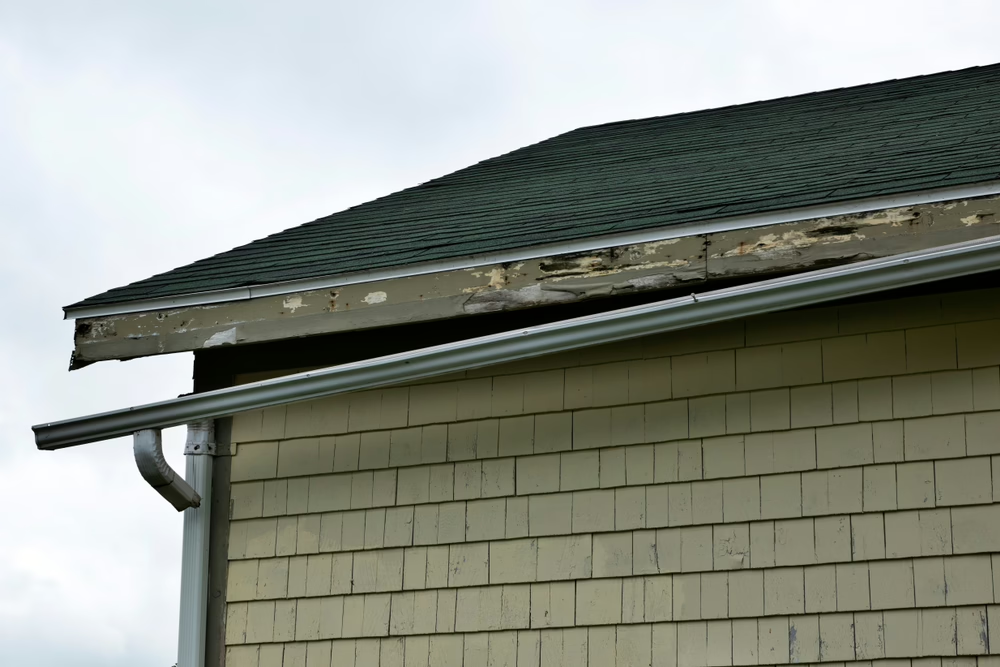
- Shingles that look dark, wet, or rotted
- Soft spots on your roof that feel spongy
- Sagging gutters or roof sections
If you see any of these, your roof probably has debris problems. The longer you wait, the worse the damage gets.
The Cost of Ignoring Roof Debris
At first glance, ignoring debris seems cost-effective. You save money on cleaning. The true costs, however, appear later. The cost of cleaning a roof is several hundred dollars. The cost of a new roof is in the thousands. The cost of water damage inside your house is even higher. In addition to being costly, mold removal is unhealthy.
The wood and shingles on your roof deteriorate when debris rots. The harm spreads. What began as roof debris turned into attic rot. It then spreads throughout the house and onto the walls.
The damage is already done when you discover water stains inside your house. To fix it, you’ll need to replace the structure, deal with mold, and tear out the drywall. Tens of thousands of dollars are spent on this. It is a false economy to ignore debris. A small investment now saves a large sum later.
How Moss and Algae Make It Worse
Moss and algae grow on roofs in humid climates. The ideal environment for this growth is provided by debris. Moss and algae love moisture, and debris retains it.
Moss is particularly damaging. It develops into a dense mat that retains even more moisture. Moss roots penetrate shingles and lift them. Water can enter underneath because of this.
Algae also holds moisture and breaks down shingles. It grows quickly in shaded areas where debris is thickest. Dark stains on your roof are usually algae. These stains mean moisture is being held against your shingles.
Once moss or algae takes hold, cleaning becomes harder. You cannot just sweep leaves away. You need special treatment to kill the moss and remove it. The longer you wait, the harder and more expensive it is to fix.
Preventing Debris from Collecting on Your Roof
The best way to deal with roof debris is to prevent it from collecting in the first place. Here are ways to do that:
- Trim trees that hang over your roof. Remove branches that could drop onto the roof.
- Trim branches that touch your roof. Keep them at least six to ten feet away if possible.
- Remove dead trees near your house. They drop more debris and are more likely to fall in storms.
- Install gutter guards or screens. These keep leaves and debris out of gutters while letting water through.
- Clean gutters at least twice a year, more often in fall if you have trees.
- Sweep or blow debris off your roof regularly.
- Keep your attic ventilated so moisture does not build up.
- Check your roof after storms. Storms blow a lot of debris onto roofs.
These steps take time and effort. But they prevent damage and save you money.
When to Clean Your Roof
How often should you clean your roof? It depends on where you live and how many trees are nearby.
If you have trees that drop leaves, clean your roof:
- In early spring after winter winds knock down branches
- In late fall after leaves drop
- After big storms
- Anytime you notice debris buildup
If you do not have many trees nearby, you might only need to clean once or twice a year. If you live in a heavily wooded area, you might need to clean more often.
The best time to clean is when it is dry. Wet roofs are slippery and dangerous. Let your roof dry out after rain before you clean it.
Cleaning Your Roof Safely
If you feel comfortable doing it, you can clean your roof yourself. Otherwise, get a pro. Safety is crucial.
To clean your roof:
- Use a leaf blower to blow off loose debris
- Sweep the roof with a soft broom
- Do not use pressure washers on your shingles. High pressure damages them.
- Wear safety gear including non-slip shoes and a harness
- Only do this work on a dry day
- Have someone with you in case of emergency
- Do not stand on the ridge or peak of the roof
If your roof is steep or high, hire a professional. It is not worth the risk.
The Connection Between Debris and Gutters
Your gutters and your roof work together. Debris affects both. When debris clogs your gutters:
- Water backs up on your roof
- Water overflows on the sides of your house
- Water gets into your foundation and basement
- The gutters sag under the weight
- Water pools under the gutter line
Clean gutters are just as important as a clean roof. You should clean your gutters at least twice a year. More often if you have trees nearby. Good gutters with working downspouts keep water away from your home. This protects both your roof and your foundation.
Inspecting Your Roof for Debris Damage
Check your roof and attic regularly. Look for signs of debris and moisture problems. From the ground, use binoculars to look for:
- Debris on your roof or gutters
- Dark spots or stains on shingles
- Moss or algae growth
- Sagging roof sections
In your attic, look for:
- Water stains on rafters or plywood
- Soft or rotted wood
- Mold or mildew spots
- Moisture or dampness
- A musty smell
If you see any of these, you have a problem and should call a professional roofer for an inspection. If you notice any of these warning signs, it’s time to schedule roofing repair in Bixby, OK, with a professional roofer to inspect your attic and address the issue before it worsens.
How Weather Makes Debris Problems Worse
The amount of damage debris does to your roof depends on the weather. Because moisture is constantly present in damp climates, debris causes more damage. Leaves remain moist for longer. Mold grows more quickly and rot occurs faster.
In hot climates, debris bakes in the sun. This speeds up decay. The breakdown of organic matter creates acids that eat away at shingles. In cold climates, frozen debris is heavy and stresses your roof. When it thaws and refreezes, it cracks shingles.
In windy climates, debris keeps getting blown onto your roof. You might need to clean more often. No matter where you live, debris is a problem. The climate just changes how much of a problem it is.
Long-Term Effects of Leaving Debris on Your Roof
If you ignore debris for years, the damage adds up. Here is what happens:
- Year one: Debris collects. Shingles start to stay wet longer. No visible damage yet.
- Year two: Shingles begin to break down. Mold starts to grow. You might see stains.
- Year three: Rot begins in the roof deck. Water starts to leak into the attic. You see water stains inside.
- Year four and beyond: Structural damage spreads. Large pieces of roof fail. Water damage inside the home gets serious. Mold becomes a health problem.
By year five or later, you might need a full roof replacement. The cost is thousands of dollars. This all started because of debris that cost a few hundred dollars to clean.
Creating a Roof Maintenance Schedule
The best way to protect your roof is with a maintenance schedule. Here is a simple one:
- Spring: Inspect roof and gutters. Look for winter damage. Clean if needed.
- Summer: Keep trees trimmed. Look for any debris buildup.
- Fall: Clean gutters before and after leaves drop. Clean roof of debris.
- Winter: Check attic for water leaks or moisture after snowmelt. Look for icicles or water damage.
- After storms: Inspect roof for damage. Clean up debris.
Following this schedule prevents most problems. It keeps your roof in good shape and catches problems early.
Small Action Prevents Big Damage
Debris on your roof might seem like a small problem. It is not. Leaves, branches, and dirt trap moisture that destroys roofing materials. Debris leads to rot, mold, and water damage. The good news is that the solution is simple. Keep your roof and gutters clean. Trim trees. Inspect regularly. Hire professionals when you need help.
A little prevention now saves you thousands of dollars later. Your roof protects your whole home. It is worth taking care of. And taking care of your roof means dealing with debris before it becomes a problem.
Don’t wait for water stains to appear or ignore dark spots on your shingles. Clean your roof and gutters. Trim your trees. Your future self will thank you. Contact MRC OK today to schedule professional roof and gutter care.