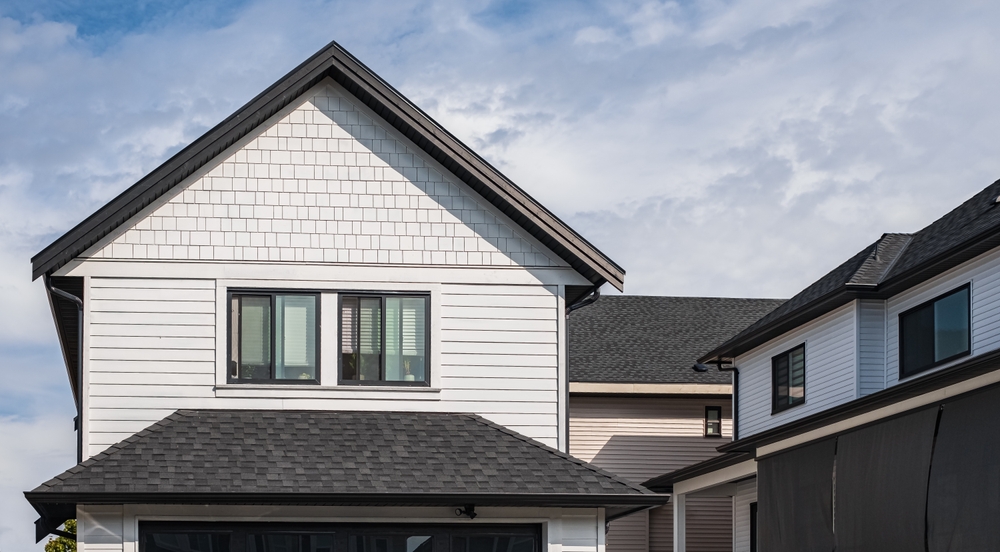


When it comes to warehouses and industrial buildings, the roof isn’t just another part of the structure. It’s the unsung hero that protects millions of dollars’ worth of inventory, machinery, and operations from rain, snow, hail, and that one bird that seems to have a personal vendetta against your skylights.
Deciding on the right roofing solution for these massive structures is like picking the right shoes for a marathon. Go with the wrong option, and you’ll be paying for it (literally and figuratively) for years to come. Let’s dive into the world of industrial roofing and find out which solutions actually deserve a spot on your building.
Choose the right roofing solution with confidence. Martin Roofing & Construction OK, a veteran-owned and operated business, brings the discipline, experience, and dedication needed to protect your industrial building for years to come.
Why Industrial Roofing Is Different from Regular Roofing
Before we get into the specific roofing types, it’s important to understand that smaller-scale projects, including roof installation in Bixby, OK, are not designed to meet the demands of a 50,000-square-foot warehouse.
Industrial and warehouse roofs face distinct challenges that far exceed those of a typical residential roof. These include:
| Factor | Description |
| Massive Square Footage | Your average warehouse roof can span tens of thousands of square feet, creating a huge surface area exposed to the elements, with every square foot acting as a potential entry point for problems. |
| Heavy Equipment and Foot Traffic | Industrial roofs often support HVAC units, solar panels, and frequent maintenance crews, unlike residential roofs where only a few people venture up occasionally. |
| Temperature Extremes | Warehouses can reach extreme heat levels, and without proper insulation or reflective roofing, cooling bills can rise quickly. |
| Chemical Exposure | Depending on what’s stored or manufactured, the roof may face fumes, chemicals, or emissions that can deteriorate materials rapidly. |
| Long-Term Investment | Industrial roofs are expected to last 20–30 years. Re-roofing frequently is costly and impractical for large facilities. |
Now that we understand what makes industrial roofing special, let’s explore the top contenders.
TPO Roofing: A Leading Choice in Industrial Roofing
Thermoplastic Polyolefin (TPO) roofing has become one of the most widely used solutions in industrial settings, and for good reason. This single-ply roofing membrane has consistently proven its value over the past several decades.
Why TPO Stands Out
TPO is a white or light-colored membrane that helps lower heat absorption throughout the day by efficiently reflecting sunlight. A cooler interior environment is supported by this high reflectivity, which can reduce the strain on your building’s cooling system and increase energy efficiency.
The seams of the material are heat-welded, forming bonds that are stronger than the membrane itself. It resembles the roof version of a laser-welded friendship bracelet.
The Good Stuff
- Because of its reflective qualities, it uses less energy
- Resistant to the majority of chemicals, mold, and algae
- Reasonably priced in comparison to some alternative choices
- It is lightweight, so your building’s structure won’t be strained
- Adaptable in cold weather (unlike some of us after spending all day at a desk)
The Not-So-Good Stuff
- It can be punctured by sharp objects, so watch out for falling tools
- Quality varies between manufacturers, so you need to do your homework
- Seams must be properly installed, or you’ll have leaks faster than a gossip at a family reunion
Best For: Large warehouses in hot climates where energy efficiency is a priority, and you’re not storing anything that will damage the roof from below.
EPDM Roofing: The Reliable Veteran
Ethylene Propylene Diene Monomer has been a reliable roofing material since the 1960s. If TPO represents the newer, widely adopted option, EPDM can be viewed as the long-established, proven choice that has consistently delivered dependable performance over time.
What Is EPDM Anyway?
EPDM is a synthetic rubber roofing membrane, typically black, though white versions exist for those who want the energy benefits without switching teams entirely. It comes in large sheets that can be mechanically attached, fully adhered, or ballasted with stones or pavers.
Why People Love EPDM
- Extremely durable and can last 30+ years with proper maintenance
- Resistant to ozone and UV radiation better than your average sunbather
- Easy to install and repair
- Works well in extreme temperatures, both hot and cold
- Cost-effective initial investment
- Proven track record spanning over half a century
The Drawbacks
- Black EPDM absorbs heat like a black car in a parking lot, increasing cooling costs
- Can be susceptible to punctures and tears (though repairs are straightforward)
- Seams are the weakest point and require careful installation
- Not the most attractive option if aesthetics matter to you
Best For: Cold climate warehouses, facilities with limited budgets, or buildings where appearance takes a backseat to functionality (so, most warehouses).
Metal Roofing: The Tank of the Roofing World
Metal is what comes to mind for many when people think of “industrial.” And you know what? For warehouses and other industrial buildings, metal roofing is still a popular option, and not just because it looks durable. For property managers considering roof repair in Glenpool, metal roofing often stands out as a strong option thanks to its durability and long-term performance.
Where Metal Roofing Excels
- Standing Seam Metal Roofing: Features raised seams that run vertically along the roof, keeping water flowing away from vulnerable spots.
- Corrugated Metal Panels: The classic wavy panels you see on barns and industrial buildings everywhere.
- Metal Shingles or Tiles: Less common in industrial settings but available if you want to get fancy.
The Advantages
- Incredibly long lifespan (40-70 years, depending on the metal)
- Fire-resistant (your insurance company will send you a thank-you card)
- Can handle heavy snow loads without breaking a sweat
- Reflective coatings are available for energy efficiency
- Low maintenance requirements
- Recyclable at the end of life, so Mother Nature approves
- Can support solar panel installations nicely
The Disadvantages
- Higher upfront cost than membrane roofing
- Can be noisy during rain or hail (though insulation helps)
- Requires professional installation to avoid leaks at fasteners and seams
- Can withstand large hail or falling objects
- Expansion and contraction with temperature changes need to be properly managed
Best For: Buildings where longevity and fire resistance are top priorities, facilities in areas with heavy snow, or operations where you need to support rooftop equipment.
PVC Roofing: The Premium Choice
Polyvinyl Chloride (PVC) roofing is like the luxury sedan of industrial roofing. It costs more, but it comes with features that might just be worth the extra investment.
What Sets PVC Apart
PVC is a single-ply roofing membrane similar to TPO but with some important differences in chemical composition and performance. It’s typically white or light-colored and heat-welded at the seams.
Why You Might Choose PVC
- Exceptional resistance to chemicals, grease, and oils (perfect for restaurants or manufacturing facilities)
- Fire-resistant properties
- Highly reflective for energy savings
- Strong seam welds that resist pulling apart
- Long lifespan of 20-30 years or more
- Resists bacteria and algae growth
The Trade-Offs
- More expensive than TPO or EPDM
- Can become brittle in extreme cold
- Contains plasticizers that can leach out over time, affecting flexibility
- Heavier than TPO, though still lighter than most alternatives
Best For: Facilities that handle grease or chemicals, buildings where fire resistance is critical, or operations willing to pay more upfront for potentially lower long-term maintenance costs.
Built-Up Roofing (BUR): The Old-School Champion
Built-Up Roofing has been protecting buildings for decades. It’s the original flat roofing system, consisting of multiple layers of bitumen and reinforcing fabrics.
How BUR Works
Think of BUR as the lasagna of roofing systems. You layer alternating coats of hot tar or asphalt with reinforcing fabrics, typically finishing with a top layer of gravel or a mineral cap sheet. The result is a thick, durable membrane.
The Benefits
- Extremely durable and puncture-resistant (the gravel layer protects the membrane)
- Long lifespan when properly maintained
- The multiple layers provide redundancy (if one layer fails, others still protect)
- Good fire resistance, especially with gravel surfacing
- Can handle foot traffic well
- Lower cost than some modern alternatives
The Downsides
- Heavy, requiring substantial structural support
- Installation involves hot asphalt, creating fumes and safety concerns
- Longer installation time than single-ply membranes
- Not as energy efficient as reflective membranes
- Repairs can be messy and labor-intensive
- Not environmentally friendly
Best For: Heavy-duty industrial applications where roof traffic is common, buildings with strong structural support, or facilities where budget is the primary concern.
Modified Bitumen: The Middle Ground
Modified bitumen roofing is like BUR’s cool younger cousin who learned from the family business but added some modern twists. It combines the reliability of asphalt with modern polymer technology.
What Makes It Modified
The “modified” part comes from adding rubber (SBS) or plastic (APP) polymers to asphalt, improving its flexibility and durability. It’s typically applied in layers but is easier to install than traditional BUR.
The Advantages
- Good puncture resistance
- Easier to install than BUR
- Can be torch-applied, cold-applied, or self-adhered
- Works well in varying temperatures
- Good track record of performance
- Repairable with similar materials
The Limitations
- Black surface absorbs heat (though granulated surfaces help)
- Shorter lifespan than some alternatives (15-20 years typically)
- Torch application carries fire risk
- Not as energy efficient as white membranes
- Heavier than single-ply options
Best For: Smaller industrial buildings, facilities needing a balance between cost and performance, or buildings with existing modified bitumen roofs.
Making Your Choice: Key Factors to Consider
- Climate and Weather: Choose materials suited to local conditions—reflective TPO/PVC for hot climates, metal/EPDM for cold, and durable options for extreme temperature swings.
- Building Use: Roof type depends on contents and operations—PVC for chemicals, metal for heavy manufacturing, PVC for food processing.
- Budget: Balance upfront costs with long-term durability, maintenance, energy, and downtime.
- Building Structure: Verify that the roof weight aligns with the building’s structural capacity; consult an engineer for heavy systems.
- Maintenance: Consider available staff or professional services for inspections and upkeep.
- Energy Efficiency: Reflective or insulated roofing reduces cooling costs; avoid dark EPDM in hot climates.
- Aesthetics: If visible to the public, metal or colored membranes can improve appearance.
Installation and Maintenance Matter More Than You Think
Here’s a truth bomb: the best roofing material installed poorly will perform worse than a mediocre material installed expertly. Your contractor choice is just as important as your material choice. When planning a project, selecting the right roofing contractor in Claremore, OK, is just as important as choosing the material, since proper installation and maintenance directly impact the roof’s performance and longevity.
Finding the Right Contractor
Look for contractors with:
- Specific experience with industrial and warehouse roofing
- Certifications from roofing manufacturers
- Proper licensing and insurance (this is non-negotiable)
- References from similar projects
- Written warranties covering both materials and workmanship
Get multiple quotes, but don’t automatically choose the cheapest. The lowest bid often means corner-cutting that will cost you later.
Maintenance Keeps Your Investment Protected
Even the toughest roof needs regular attention:
- Schedule inspections at least twice yearly (spring and fall)
- Clear debris, leaves, and standing water promptly
- Address small problems before they become big problems
- Keep detailed maintenance records
- Budget for repairs and eventual replacement
A well-maintained TPO roof can outlast a neglected metal roof any day.
The Bottom Line on Industrial Roofing
Choosing the best roofing solution for your warehouse or industrial building isn’t about finding one universal “best” option. It’s about matching the right system to your specific needs, climate, budget, and goals. When planning roof repair in Mannford, OK, property owners often start by evaluating which roofing system aligns best with their building’s needs, budget, and long-term goals.
TPO offers great value and energy efficiency for most applications. EPDM provides proven reliability at a reasonable cost. Metal roofing delivers unmatched longevity and fire resistance. PVC excels in chemically aggressive environments. Built-up roofing handles heavy-duty applications. SPF provides seamless insulation. And green roofs make an environmental statement.
The real secret? Work with experienced professionals, invest in quality installation, and maintain your roof properly, and your warehouse roof will protect your operation for decades to come. Your inventory, equipment, and accountant will thank you. Protect your investment; contact Martin Roofing & Construction OK today to discuss the best roofing solution for your warehouse and get expert installation you can rely on.