
When most homeowners think about roof maintenance, they focus on shingles, gutters, and flashing. However, one of the most critical components of a healthy roofing system often goes unnoticed: proper ventilation. Your roof’s ventilation system plays a vital role in protecting your home, extending your roof’s lifespan, and maintaining energy efficiency throughout the year.
Understanding Roof Ventilation Basics
Roof ventilation is a system that allows air to flow naturally through your attic space. This continuous air exchange helps regulate temperature and moisture levels in the area directly beneath your roof. A properly ventilated roof includes both intake vents (typically located at the soffits or eaves) and exhaust vents (positioned near or at the roof’s peak).
The concept behind effective roof ventilation is straightforward. Cool air enters through the intake vents at the lower portions of your roof, while warm air exits through the exhaust vents at higher points. This natural convection process creates a balanced airflow that keeps your attic space healthy and your entire roofing system functioning optimally. For professional guidance on keeping your attic and roofing system in top condition, trust roofing services in Bartlesville, OK, to assess, install, or upgrade your roof ventilation system efficiently.
Why Ventilation Matters for Roof Longevity
Proper attic ventilation helps protect one of your home’s largest investments by reducing premature deterioration of roofing materials.
- Summer Heat Buildup:
- Attic temperatures can exceed 150°F during summer.
- Excessive heat accelerates the aging of asphalt shingles, causing brittleness, curling, and cracking.
- Adhesive strips can deteriorate faster, increasing the risk of wind damage and shingle blow-offs.
- Winter Ventilation Issues:
- Warm air from living spaces rises into the attic.
- Poor ventilation traps this heat, causing snow on the roof to melt even in freezing temperatures.
- Melted snow refreezes at colder eaves, forming ice dams that can force water under shingles and into the home.
The Moisture Problem
Moisture represents one of the greatest threats to your roof’s structural integrity, and ventilation serves as your primary defense against it. Every day, normal household activities like cooking, showering, and doing laundry release moisture into your home’s air. This moisture naturally rises and can accumulate in your attic space if not properly vented. Homeowners scheduling roof repair in Cleveland, OK often discover that ventilation issues are a major cause of moisture damage, making proper airflow just as important as the repair itself.
When warm, moist air meets the cool surfaces in your attic, condensation forms. This condensation can saturate your insulation, reducing its effectiveness and adding weight to your roof structure. Over time, this moisture creates the perfect environment for mold and mildew growth, which can spread throughout your home and create serious health concerns for your family.
Wood rot is another consequence of poor ventilation and excess moisture. Your roof’s wooden structural components, including rafters, trusses, and decking, can begin to decay when exposed to consistent moisture. This rot compromises the structural integrity of your entire roof system, potentially leading to sagging, leaks, and in severe cases, roof collapse.
Types of Roof Ventilation Systems
Several ventilation options are available for roofing systems, each with specific applications and benefits.
| Ventilation Type | Features & Benefits |
| Ridge Vents | Continuous exhaust along the roof peak; highly effective when paired with intake vents; nearly invisible from the ground. |
| Soffit Vents | Installed under roof overhangs as intake vents; continuous soffits improve airflow compared to individual vents. |
| Gable Vents | Located in gable ends; can serve as intake or exhaust depending on wind; less efficient than soffit-ridge combinations. |
| Turbine Vents | Wind-powered exhaust; moves large volumes of air but requires wind; more visible and may impact aesthetics. |
| Power Attic Ventilators | Electric fans actively pull air from the attic; effective but use electricity and can draw conditioned air if leaks exist. |
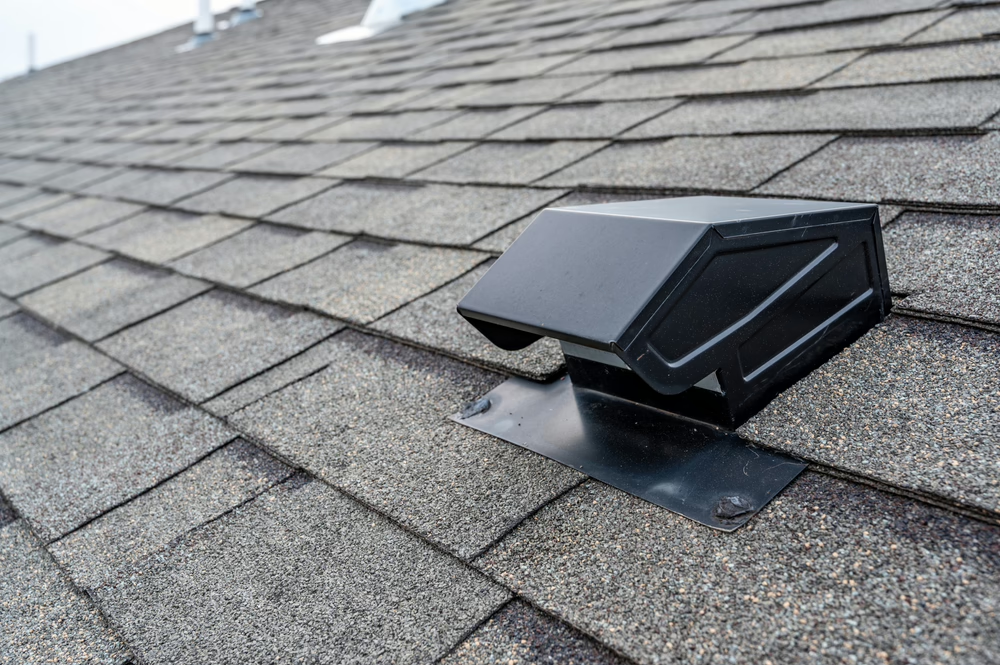
| Box Vents | Static exhaust vents near the ridge; maintenance-free and reliable but provide less airflow than ridge vents. |
Calculating Your Ventilation Needs
Proper ventilation requires a balanced system with adequate intake and exhaust capacity. The Federal Housing Administration recommends a minimum of 1 square foot of ventilation for every 150 square feet of attic space. This requirement can be reduced to 1 square foot per 300 square feet if you have a vapor barrier installed and if the ventilation is properly balanced between intake and exhaust.
A balanced system typically means 50% of your ventilation should be intake (soffit vents) and 50% should be exhaust (ridge vents, box vents, or turbines). This balance creates the most effective airflow pattern through your attic space. For expert installation or upgrades to achieve balanced attic airflow, trust roofers in Mannford, OK, to calculate and install the proper ventilation system for your home.
Many homes have inadequate ventilation or unbalanced systems. Some older homes were built with only gable vents or minimal soffit ventilation. Adding proper ventilation during a roof replacement or major renovation can dramatically improve your roof’s performance and longevity.
Signs of Poor Roof Ventilation
- Ice Dams in Winter: Icicles on gutters or along roof eaves are signs of snow melting and warm air escaping into the attic.
- Excessive Attic Heat in Summer: Significantly hotter attic temperatures than outside air suggest poor airflow, increasing energy costs.
- Moisture or Frost in the Attic: Frost on roof decking or nail points in cold weather, and water stains, damp insulation, or musty odors in warmer months indicate ventilation issues.
- Mold or Mildew Growth: Black, green, or white patches on wooden surfaces or insulation, often with a musty smell, signal moisture problems and potential health risks.
- Curling or Damaged Shingles: Premature aging of shingles due to excessive attic heat can indicate inadequate ventilation.
Ventilation and Energy Efficiency
Proper roof ventilation provides significant energy savings throughout the year. During summer, effective ventilation reduces the heat load transferred from your attic into your living spaces. This reduction can lower your cooling costs by up to 10-12%, allowing your air conditioning system to run less frequently and extending its operational life.
Winter ventilation benefits are equally important. By keeping your attic temperature close to the outdoor temperature, proper ventilation prevents the warm-cold-warm cycle that creates ice dams and moisture problems. This temperature regulation also helps your insulation perform at its rated R-value, maximizing its effectiveness.
A common misconception among homeowners is that total attic sealing will increase energy efficiency. But in the absence of adequate ventilation, this method retains heat and moisture, which causes more issues than it fixes. The secret is to have a well-insulated attic floor that divides your living area from the attic and good ventilation in the attic area itself.
Installation Considerations
It takes careful planning and execution to install or upgrade your roof ventilation system. It is best to leave this work to skilled roofers who are knowledgeable about ventilation principles and building codes.
Contractors should take into account the existing ventilation type, roof design, and attic configuration when adding ventilation to an existing roof. The effectiveness of ventilation can actually be decreased by simply adding more vents without proper balance. In a house with insufficient intake ventilation, for instance, installing powered attic fans may result in negative pressure, which draws conditioned air out of the living area instead of expelling hot attic air.
To install a ridge vent, a precise opening must be cut along the peak of the roof; this is necessary to preserve structural integrity and stop leaks. Installing baffles to maximize airflow and stop rain and snow infiltration is part of proper installation.
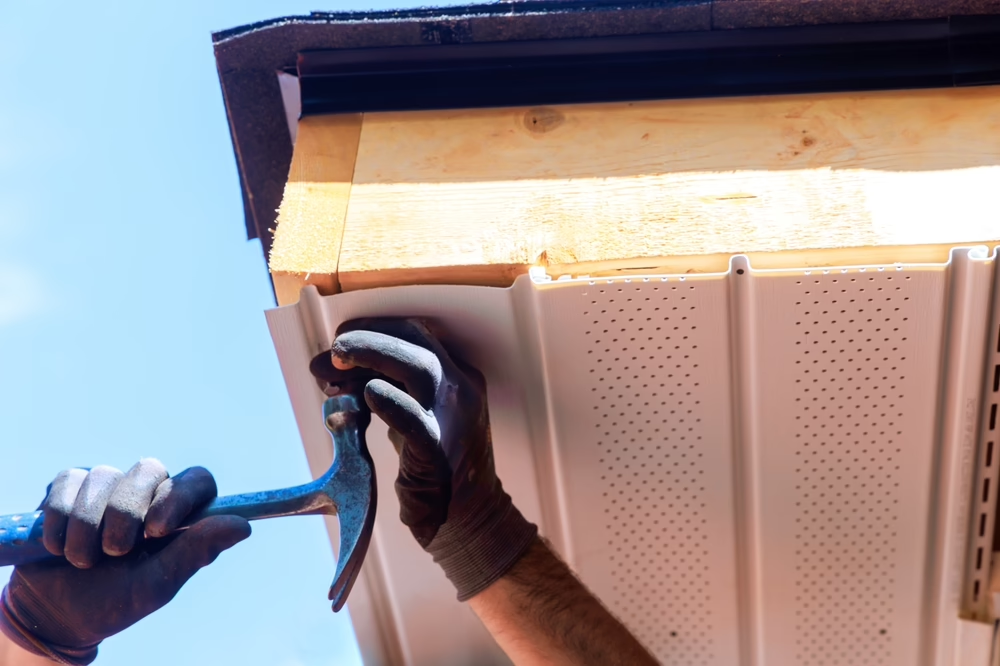
It might be necessary to remove the current solid soffits and install vented ones in their place. To keep the house looking nice and stop water intrusion, this work requires close attention to detail.
Maintenance and Long-Term Care
While roof ventilation systems require minimal maintenance, regular inspections help them function optimally. Check your soffit vents periodically to verify they remain clear of debris, insulation, or pest nests. Paint or debris blocking intake vents dramatically reduces airflow and system effectiveness.
Monitor your attic’s condition seasonally. During extreme weather periods, check for condensation, frost, or excessive heat that might indicate ventilation problems. Early detection allows for corrections before significant damage occurs.
Keep your attic insulation properly positioned. Insulation should never block soffit vents or contact the roof decking. Baffles installed at each rafter bay maintain an air channel from the soffit to the ridge, preventing insulation from impeding airflow.
Working With Roofing Professionals
Consult with certified roofing contractors who are knowledgeable about local building codes and ventilation principles when organizing a roof replacement or ventilation upgrade. A trustworthy contractor will evaluate your existing ventilation, determine the needs of your house, and suggest a well-balanced system that complements the climate and roof design.
Ask for a thorough description of the suggested ventilation system, including the kind and positioning of the intake and exhaust vents. Inquire about how the new system will handle any current issues with moisture or temperature in your attic and balance airflow.
Trustworthy contractors provide workmanship and material warranties to support their ventilation installations. They should also describe how adequate ventilation will increase the lifespan of your roof and boost the energy efficiency of your house. When planning roof repair in Claremore, OK, homeowners benefit from working with certified contractors who can assess ventilation needs and recommend the right balance of intake and exhaust airflow.
Climate Considerations
Your local climate influences ventilation requirements and system design. Homes in hot, humid climates benefit from maximum ventilation to combat heat and moisture. In these regions, ventilation helps prevent condensation problems year-round and reduces cooling costs during long summer seasons.
Cold-climate homes need ventilation to prevent ice dams and maintain consistent attic temperatures. However, these systems must be designed to prevent snow infiltration through intake vents while maintaining adequate airflow.
Protecting Your Home
One essential element of your home’s roofing system that has a direct impact on performance, longevity, and energy efficiency is proper roof ventilation. Adequate ventilation lowers energy costs, avoids moisture buildup, removes ice dams, and shields your roof from heat damage by permitting natural airflow through your attic space.
A healthier home environment and the protection of your roofing investment are two benefits of knowing your ventilation needs and keeping your system maintained. Prioritizing adequate ventilation will pay off in the form of longer roof life, reduced energy costs, and avoided moisture damage, whether you’re building a new house or replacing an old one.
Keep in mind that although your roof’s ventilation system is silent and invisible, it is one of the most crucial components of your entire roofing system because of its influence on the functionality of your house and the lifespan of your roof.
Speak with a trained roofing specialist if you see any indications of inadequate ventilation or if you have concerns about your existing system. They can evaluate your condition, make suggestions for enhancements, and put those suggestions into action to maintain the health of your roof for many years to come. Protect your roof and home; contact Martin Roofing & Construction OK today to have a trained roofing specialist evaluate your ventilation system and recommend solutions to keep your roof performing at its best for years to come.