
Most homeowners think about their shingles when they think about their roof. They worry about curled edges and missing pieces. But there is a part of your roof that is even more important than shingles. It is small, easy to ignore, and most people have never heard of it.
This part is called flashing. Flashing is a metal strip that seals the joints and gaps in your roof. It is where your roof meets your chimney, where valleys meet, and where vents stick up through the roof. Flashing is small, but it is mighty. A small failure in flashing can flood your attic and cause thousands of dollars in damage. In this guide, we will explain why flashing is so important and how to protect it.
What is Roof Flashing
Flashing is a thin, flexible metal material that redirects water away from areas where two roof sections meet or where objects stick through the roof. The most common material is aluminum or galvanized steel.
Flashing comes in different types depending on where it is used:
- Chimney flashing seals around chimneys
- Valley flashing lines the valleys where two roof slopes meet
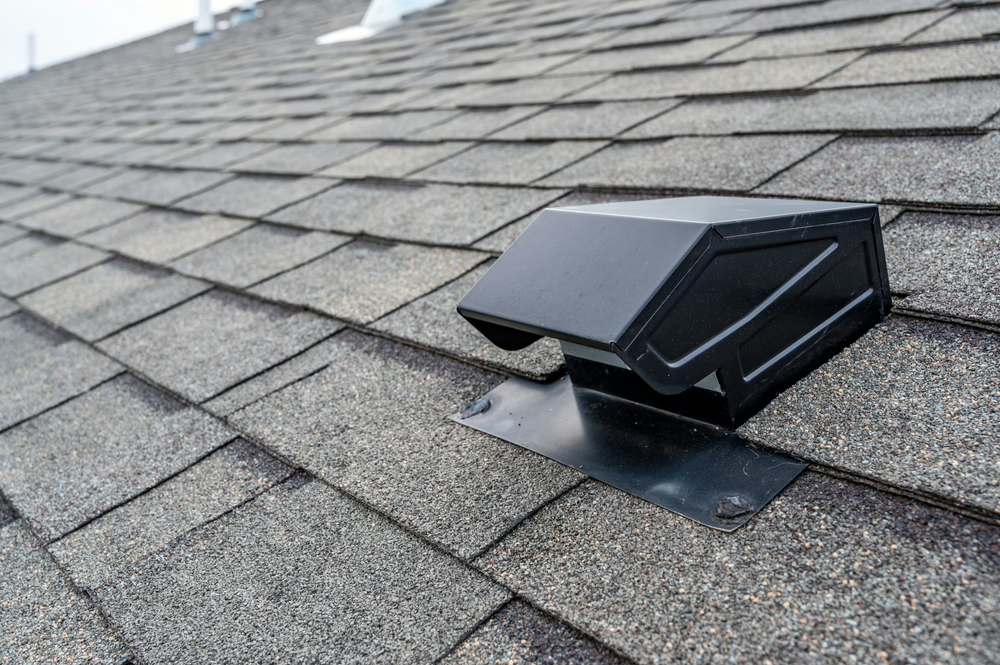
- Vent flashing seals around pipes and vents that stick through the roof
- Step flashing sits at the transition where the roof meets a wall
- Drip edge flashing runs along the edges of the roof
- Ridge flashing covers the peak of the roof
- Gutter flashing connects gutters to the roof edge
Each type of flashing has a specific job. All of them work together to keep water off your roof structure and out of your home.
Why Flashing is So Important
Roof shingles are built to shed water by directing rain down the slope, but they cannot protect joints, valleys, or roof penetrations where water pools or changes direction. Flashing directs water away from these vulnerable areas and prevents leaks. When flashing is installed correctly, it keeps the roof dry; when it fails, water quickly gets inside.
Where Leaks Happen Without Good Flashing
Most roof leaks happen at specific spots. These are all places where flashing should be doing its job:
- Where the roof meets a chimney
- In roof valleys where two slopes meet
- Around vent pipes and exhaust pipes
- Where the roof meets a wall or dormer
- At the edges of the roof, at the gutters
- Around skylights
- Where additions meet the main roof
All of these spots have one thing in common. They are places where water could pool or change direction. These are exactly the places where flashing is needed.
If the flashing is missing, damaged, or installed incorrectly, water gets in. Water does not care about your roof. It will find the smallest gap and get through. That’s why homeowners looking for reliable roofing in Collinsville, OK, focus on proper flashing installation in areas where water can pool or change direction, since even small gaps allow water to get inside.
How Water Finds Its Way Under Flashing
Water is persistent and patient. It will work its way through tiny gaps and cracks. Here is how water gets under flashing:
- First, water lands on the roof during rain. If there is no flashing to direct it, the water starts to spread out and move sideways.
- The water finds small gaps or cracks in the flashing or where the flashing meets the roof. These gaps might be so small you cannot see them. But water can find them.
- Once the water gets under the flashing, it spreads along the flashing surface. It finds its way under the shingles. It gets into the roof deck underneath.
- The water continues to flow until it finds a path into your home. This might be through the attic, into insulation, or down a rafter into a wall.
By the time you notice a leak inside your home, the water has traveled a long way. The damage is already done. Water has been soaking into the wood for a while.
The Problem with Chimney Flashing
Chimneys are one of the most common sources of roof leaks. This is because chimney flashing is complex and takes skill to install correctly.
Chimney flashing has two parts. The base flashing sits on the roof and under the shingles around the chimney. The counter flashing is built into the chimney itself or sealed to it. The counter flashing overlaps the base flashing.
This double layer is supposed to stop water. But there are many places where things can go wrong:
- The base flashing can be installed at the wrong angle
- The counter flashing can pull away from the chimney
- The sealant between the flashing and the chimney can fail
- Water can get under the base flashing if shingles are not overlapped correctly
- Cracks can form where different pieces of flashing meet
- Rust can develop in the metal
Any of these problems allows water to get in. Chimney leaks are common because there are so many ways they can happen.
Valley Flashing Problems
Roof valleys are where two roof slopes come together. Water naturally flows toward the valley. This is actually where the most water on your roof travels. Valley flashing has to handle a lot of water. It comes in two styles:
- Open valleys have metal flashing exposed. Water flows down the middle of the valley on the metal flashing.
- Closed valleys have shingles covering the flashing. Water flows over the shingles down the valley.
Both styles have problems if the flashing fails:
- If open valley flashing is damaged, water pours into the gap
- If shingles in closed valleys are not overlapped correctly, water gets under them
- If the flashing is bent or crimped, water pools instead of flowing
- If the flashing edges are not sealed, water gets under the shingles
- If debris clogs the valley, water backs up and gets under the edges
Vent and Pipe Flashing
Every roof has penetrations. These are pipes and vents that poke through the roof. Common penetrations include:
- Plumbing vent pipes
- Dryer vents
- Range hood vents
- Exhaust pipes
- Chimneys
- Skylights
Each penetration needs flashing. The flashing creates a watertight seal around the pipe or vent. Vent flashing usually comes as a single piece. It has a base that sits on the roof and a collar that fits over the pipe. The base sits under the shingles above the vent and on top of the shingles below the vent.
Problems happen when:
- The flashing is installed over the shingles instead of under them
- The collar gets dented or damaged
- The seal between the flashing and the pipe fails
- The flashing pulls away from the roof
- Shingles are not overlapped correctly around the flashing
Vent flashing leaks can be sneaky. Water might leak around the vent, but the damage path is long. By the time you see a leak inside, there is often rot in the attic.
Signs Your Flashing is Failing
Flashing problems often show up as water stains, musty attic odors, rusted or damaged metal, cracked sealant, pooling water near chimneys or vents, mold growth, or soft, rotted wood in the attic. If you notice any of these signs, your flashing needs attention right away, as issues can worsen quickly.
Common Flashing Mistakes
Most flashing failures come from installation mistakes such as poor placement, improper overlap, incorrect materials, inadequate sealing, or ignoring water flow. Because proper flashing requires precision and experience, hiring a professional roofer helps prevent leaks and costly damage.
How to Inspect Your Flashing
You can check your flashing from the ground using binoculars. Here is what to look for:
- Look at your chimney from the ground. Check if the flashing around it looks intact and sealed.
- Look at the roof vents and pipes. Check if the flashing collar looks straight and is not rusted.
- Look at the edges of your roof where it meets the walls. Check for gaps or peeling sealant.
- Look at valleys from a distance. Check if the flashing is visible and looks intact.
- Look for rust, bending, or separation of metal flashing.
- Check after the rain. Look for water dripping from flashing or pooling on the roof.
You can also go into your attic on a sunny day. Look at the rafters and walls where the roof meets other structures. Look for water stains, mold, or soft wood. These are signs of flashing leaks.
If you spot any of these warning signs in your attic, document the damage and call a trusted roofer in Bixby, OK, to inspect and repair the flashing properly. Do not try to fix flashing yourself unless you are trained.
Professional Flashing Installation
If you need flashing installed or repaired, hire a professional roofer. Flashing work is skilled work. It requires:
- Knowledge of local building codes
- Understanding of how water flows
- Ability to seal joints properly
- Experience with different types of flashing
- The right tools and materials
A good roofer will:
- Inspect existing flashing carefully
- Explain what needs to be done
- Give you a written estimate
- Use quality materials
- Guarantee their work with a warranty
- Clean up after the job
Professional installation costs more upfront but saves money in the long run.
Materials Used for Flashing
Different materials work for different situations:
- Aluminum flashing is lightweight and affordable, but it can corrode in some climates
- Galvanized steel is strong and resists rust for years, but it can eventually fail
- Copper flashing is very durable and lasts 50 years or more, but costs more
- Lead flashing is traditional and very durable, but is less common now
- Rubber and plastic materials work well for some applications, but can degrade in the sun
The best material depends on your climate, the type of flashing needed, and your budget. A professional roofer can recommend the right material for your situation.
Flashing Maintenance
Good maintenance extends the life of your flashing:
- Inspect flashing twice a year, especially after storms
- Look for rust, cracks, and separation
- Check that the sealant is intact
- Clean debris from valleys and around flashing
- Keep gutters clean, so water flows freely
- Trim trees so that branches do not damage flashing
- Do not walk on flashing or lean things against it
- Repair damage quickly before it spreads
Simple maintenance prevents flashing problems from getting worse.
Flashing and Your Gutters
Your gutters work with your flashing. Flashing at the edge of your roof works with gutter flashing to protect your home.
When gutters are clogged, water backs up on the roof. This water gets under the flashing and causes leaks. When gutters are clean, water flows away properly.
Keep your gutters clean at least twice a year. Check the connection between the gutter and the roof. Water should flow into the gutter, not back under the roof.
Why Professional Roofers Matter
Flashing is one of the most important reasons to hire a professional roofer. A homeowner might not know that flashing is there. They might not realize it is important. A professional roofer knows.
When you hire a roofer for any roof work, ask them to inspect your flashing. Ask about any problems they see. Ask for their recommendations. A good roofer will tell you if flashing needs work.
When you get roof repairs, make sure flashing is done right. If you hire someone to install a new roof, the flashing installation is just as important as the shingles. When you need roof repair in Coweta, OK, working with a professional roofer makes a difference because they understand how critical proper flashing is and will inspect, recommend, and install it correctly during any repair or replacement.
The Bottom Line About Flashing
Flashing is small, but it is mighty. It protects the vulnerable spots on your roof. Without good flashing, water gets into your home.
Many homeowners ignore flashing because they do not see it or understand its importance. This is a mistake. Flashing failures cause the majority of roof leaks.
The good news is that flashing problems are preventable. Regular inspection catches problems early. Prompt repair prevents water damage. Good maintenance keeps flashing working well.
Your roof is there to protect your home. Flashing is the unsung hero of your roof. It does quiet work, keeping water out where the real challenges are. Take care of your flashing, and your flashing will take care of your home.
Pay attention to your chimney, valleys, vents, and walls. These are the places where water tries to get in. This is where flashing does its most important work. When you see flashing problems, fix them. Your attic and your wallet will thank you. Protect the most vulnerable areas of your roof before leaks spread. Contact us today to schedule a professional flashing inspection and repair.